Charles: A Simple and Shy Display Font for Everyday Creativity
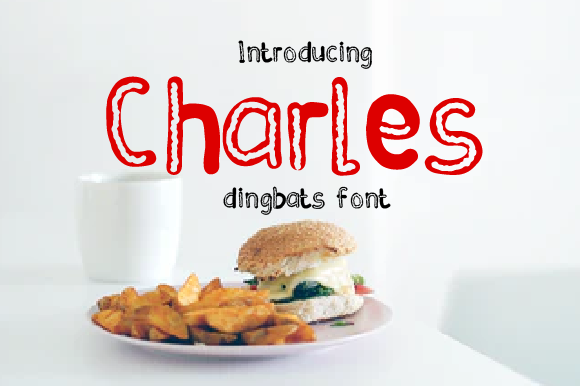
Charles is a display font that quietly makes an impression. With its clean lines, subtle curves, and approachable character, it’s the kind of font that doesn’t shout but still commands attention. Designed to feel both professional and personable, Charles finds its place in a wide range of creative and practical workflows. Whether you're designing a logo, crafting a presentation, or simply looking for a readable yet stylish typeface for your next project, Charles offers a versatile solution that blends well with modern design trends.
Understanding the Role of Charles in Design Workflows
Fonts are more than just visual elements—they’re integral to communication. Charles fits into this role by serving as a bridge between form and function. Its casual and friendly appearance makes it ideal for projects where readability and approachability are key. This font is especially useful in contexts where the goal is to convey information clearly while maintaining a warm, inviting tone.
When working on branding materials, Charles can be used to create headings or titles that stand out without overwhelming the reader. It pairs well with sans-serif fonts for body text, creating a balanced contrast that enhances legibility. In digital environments, such as websites or mobile apps, Charles ensures that text remains easy to read even at smaller sizes.
Using Charles Before a Project Starts
Before diving into a new project, selecting the right font can set the tone for the entire design. Charles is a great choice for initial planning stages because of its simplicity. When sketching out ideas or creating mood boards, using Charles allows designers to quickly visualize how text will appear in the final product without getting bogged down in complex typography.
Additionally, Charles can be used in early client presentations or proposals to establish a friendly and professional image. Its subtle character helps communicate that the designer or team is thoughtful and detail-oriented—qualities that clients appreciate.
Integrating Charles During the Creative Process
During the actual creation of a project, Charles shines as a reliable companion. Whether you're designing a poster, brochure, or website header, this font provides a consistent and polished look. Its versatility means it can be used across different media types without losing its charm or clarity.
One practical tip is to use Charles sparingly. Since it's a display font, it works best for headlines, call-to-action buttons, or other short bursts of text. Overusing it can lead to visual clutter, so it's important to maintain balance by pairing it with complementary fonts for body content.
For those who work with graphic design software like Adobe Illustrator or Photoshop, integrating Charles is straightforward. Simply download the font from a trusted source, install it on your system, and select it from the font menu. Most design tools offer options to adjust spacing, kerning, and alignment, which can help fine-tune the appearance of your text.
Leveraging Charles After the Project is Completed
Even after a project is complete, Charles can continue to play a role. For instance, when revising or updating existing content, using Charles can provide a fresh perspective without requiring a full redesign. It’s also useful for internal documentation or team communications, where a clean and friendly font can improve readability and reduce eye strain.
In marketing and advertising, Charles can be used in follow-up emails, social media posts, or promotional materials. Its casual nature aligns well with campaigns that aim to build trust and engagement with the audience. By consistently using Charles across different platforms, brands can reinforce their identity and ensure a cohesive visual experience.
How Charles Interacts with Other Tools and Resources
Charles isn't a standalone tool—it works best when integrated with other resources and methods. For example, when paired with a minimalist color palette, Charles can enhance the overall aesthetic of a design. Similarly, combining it with simple animations or transitions can add depth to digital interfaces without compromising usability.
Designers can also take advantage of online font pairing tools to find complementary fonts that work well with Charles. These tools analyze typographic harmony and suggest pairings based on factors like weight, style, and contrast. This can be especially helpful for those who are new to typography or want to experiment with different combinations.
For developers and web designers, ensuring that Charles is properly embedded in CSS or used through web-safe fonts is crucial. While many fonts require embedding or linking via Google Fonts, Charles is available in various formats that make it easy to implement across different platforms. Always test the font on multiple devices and screen sizes to ensure it renders correctly and maintains its intended appearance.
Practical Implementation Tips
To get the most out of Charles, consider the following tips:
- Use it for headings and titles: Charles works best for short, impactful text rather than long paragraphs.
- Pair it with a sans-serif font: This combination provides a good balance between readability and style.
- Test it on different backgrounds: Ensure that the font remains legible against various colors and textures.
- Adjust spacing and alignment: Fine-tuning these details can significantly improve the overall appearance of your text.
- Limit its use: Avoid overusing Charles to prevent visual fatigue and maintain a clean design.
By incorporating these practices into your workflow, you can ensure that Charles is used effectively and efficiently, enhancing both the visual appeal and functionality of your projects.
Factors to Consider for Long-Term Use
While Charles is a versatile font, there are several factors to consider when using it over an extended period. One important aspect is consistency. Using the same font across all materials helps build brand recognition and creates a sense of familiarity for your audience.
Another factor is compatibility. Make sure that Charles is supported by all the platforms and devices you plan to use. Some fonts may not render correctly on certain operating systems or browsers, so it's always a good idea to test them before finalizing a design.
Usability is also a key consideration. While Charles is easy to read, it's important to ensure that it doesn’t compromise the overall user experience. For example, if you're designing a website, avoid using small font sizes or poor contrast that could make the text difficult to read.
Finally, think about how Charles fits into your broader design strategy. Is it aligned with your brand’s personality and goals? Does it support the message you want to convey? Taking these questions into account can help you make informed decisions about how and when to use Charles in your work.
Whether you're a designer, marketer, educator, or entrepreneur, Charles offers a simple yet effective solution for a wide range of creative needs. By understanding its strengths and limitations, you can integrate it smoothly into your workflow and achieve better results with every project you undertake.