Dhyaksa: A Unique Display Font for Creative Expression
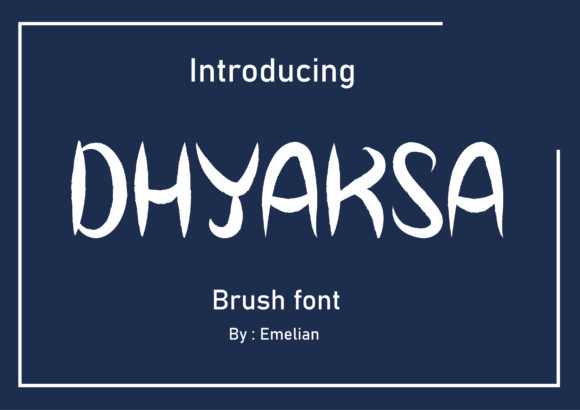
Dhyaksa is a display font that stands out with its distinctive design and versatility. Unlike many fonts that follow traditional typographic rules, Dhyaksa introduces an element of artistic flair that can elevate any creative project. Whether you're designing a poster, crafting a logo, or working on digital content, this font offers a fresh perspective that can make your ideas more engaging.
What Makes Dhyaksa Distinct?
Dhyaksa's uniqueness lies in its balance between elegance and boldness. The font features rounded edges with subtle angular accents, creating a visual rhythm that is both modern and approachable. This blend of soft curves and sharp lines gives the font a dynamic quality that works well across various media types, from print to digital screens.
One of the most notable aspects of Dhyaksa is its readability at larger sizes. While many display fonts sacrifice legibility for style, Dhyaksa maintains clarity even when used in headlines or titles. This makes it a practical choice for designers who want to add personality without compromising functionality.
Design Elements That Set Dhyaksa Apart
- Rounded Forms: The rounded shapes of the letters give Dhyaksa a friendly and inviting appearance.
- Angular Accents: Subtle angular elements add a touch of sophistication and structure.
- Versatile Weight: Available in multiple weights, Dhyaksa can be adapted to suit different design needs.
How Dhyaksa Compares to Similar Fonts
When considering alternatives to Dhyaksa, it's important to evaluate how each font aligns with specific design goals. Fonts like Bebas Neue or Playfair Display are often used for similar purposes, but they differ in key ways.
Bebas Neue is known for its bold, sans-serif style, which can be overpowering in some contexts. In contrast, Dhyaksa provides a more balanced look, making it suitable for a wider range of applications. Playfair Display, while elegant, tends to have a more formal feel that may not be as versatile as Dhyaksa's approachable design.
Another consideration is the availability of weights and styles. Many display fonts offer only a few variations, limiting their adaptability. Dhyaksa, however, comes with several weight options, allowing designers to fine-tune the visual impact of their projects.
Best Fit Situations for Dhyaksa
- Headlines and Titles: Dhyaksa's bold yet readable design makes it ideal for drawing attention in headlines.
- Branding Materials: The font's unique character can help create a memorable brand identity.
- Digital Content: Its clean lines and clear forms ensure it looks great on screens of all sizes.
Evaluating Tradeoffs and Limitations
No font is perfect for every situation, and Dhyaksa is no exception. While it excels in many areas, there are scenarios where it may not be the best choice. For example, if a project requires a very formal or classical typeface, Dhyaksa might not be the right fit. Similarly, in small text sizes, the font's design could become less legible compared to more conventional choices.
Another limitation is that Dhyaksa may not be widely recognized by all audiences. In some cases, using a highly stylized font can lead to confusion or misinterpretation, especially if the message is complex or requires immediate understanding.
However, these tradeoffs are often outweighed by the font's strengths. Designers should weigh the context of their project carefully before deciding whether Dhyaksa is the best option.
When to Choose Dhyaksa Over Alternatives
Dhyaksa is particularly well-suited for projects that benefit from a unique aesthetic. If you're looking to create something that stands out while still maintaining a professional look, this font can be an excellent choice. It's also a good fit for brands that want to convey creativity and innovation through their visual identity.
In contrast, if the goal is to communicate information clearly and directly, a simpler, more standard font might be more appropriate. The decision ultimately depends on the specific needs of the project and the desired audience reaction.
Practical Examples of Dhyaksa in Use
To better understand how Dhyaksa can enhance a design, consider the following examples:
Example 1: Event Poster
A music festival poster using Dhyaksa for the headline immediately grabs attention. The font's boldness and readability make it easy to read from a distance, while its unique style adds visual interest.
Example 2: Website Header
On a website for a creative agency, Dhyaksa can be used in the header to reflect the brand's innovative spirit. The font's versatility allows it to pair well with other typefaces, ensuring a cohesive design.
Example 3: Product Packaging
For a new line of eco-friendly products, Dhyaksa can be used on packaging to emphasize the brand's commitment to sustainability while maintaining a visually appealing design.
Comparing Dhyaksa with Other Display Fonts
When comparing Dhyaksa with other display fonts, it's important to consider factors such as legibility, versatility, and overall aesthetic appeal. Here's a brief comparison with a few popular alternatives:
- Montserrat: A modern sans-serif font that is highly readable but lacks the unique flair of Dhyaksa.
- Roboto Condensed: Offers a clean, minimalist look but doesn't provide the same level of visual impact as Dhyaksa.
- Great Vibes: Known for its cursive style, it has a completely different character and may not be suitable for all projects.
Each of these fonts has its own strengths and weaknesses, and the best choice will depend on the specific requirements of the design project.
Final Considerations
Dhyaksa is a compelling option for designers seeking a font that balances style with functionality. Its unique design elements and versatility make it a valuable addition to any creative toolkit. However, it's essential to evaluate whether the font aligns with the goals of the project and the expectations of the target audience.
By considering factors such as readability, visual impact, and contextual appropriateness, designers can determine whether Dhyaksa is the right choice for their next project. As with any design decision, careful evaluation and thoughtful application are key to achieving the desired outcome.