Merkurius: A Bold and Unique Display Font for Branding and Product Design
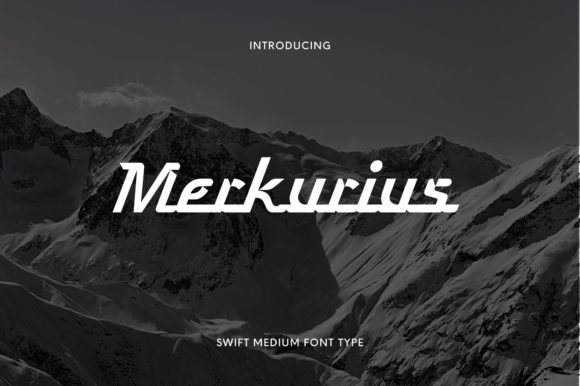
Merkurius is a display font that stands out in the crowded world of typography with its strong characters, underlines, and a balance of smooth and sharp edges. Designed to make an impression, Merkurius is ideal for use in branding, product packaging, and digital media where visual impact matters. Its vibrant shapes offer versatility across different mediums, making it a compelling choice for designers and marketers looking to create memorable visuals.
What Makes Merkurius Distinct?
The defining feature of Merkurius is its boldness. Unlike many sans-serif or serif fonts that prioritize readability at smaller sizes, Merkurius is crafted for attention-grabbing displays. Each letter has a strong presence, often with extended strokes and underlined elements that add depth and character. This makes it particularly effective for headlines, logos, and other prominent text placements.
Another notable aspect of Merkurius is the combination of smooth curves and sharp edges. This contrast gives the font a dynamic feel, allowing it to be both modern and traditional depending on the context. The underlines beneath certain letters are not merely decorative—they help reinforce the structure and weight of each character, which can be especially useful in low-contrast environments such as dark backgrounds or minimalist designs.
Compared to similar display fonts like Bebas Neue or Impact, Merkurius offers a more refined look without sacrificing strength. While those fonts may appear too aggressive or rigid, Merkurius maintains a sense of balance between power and elegance, making it suitable for a broader range of applications.
When Is Merkurius the Right Choice?
Merkurius excels in situations where a strong visual statement is needed. It is well-suited for brand identity work, including logos, taglines, and promotional materials. Its distinctive appearance helps brands stand out in a competitive market, creating a lasting impression on consumers.
In product design, Merkurius can enhance packaging and labeling by adding a touch of sophistication. For instance, luxury brands might use it to convey exclusivity, while tech companies could leverage its modern aesthetic to reflect innovation. Its versatility allows it to adapt to various industries, from fashion to food and beverage.
For digital media, Merkurius works well in web banners, social media posts, and presentations. Its high contrast ensures legibility even when viewed from a distance, making it an excellent choice for large-screen displays or billboards.
Considerations and Tradeoffs
While Merkurius has many strengths, there are also considerations to keep in mind. Because it is a display font, it is not recommended for body text or long-form content. Reading blocks of text in Merkurius can be tiring due to its bold nature, so it should always be used sparingly and in conjunction with more readable fonts for main content.
Additionally, the underlines and sharp edges may not be suitable for all design styles. In some cases, they could overwhelm a layout or clash with other visual elements. Designers must ensure that Merkurius complements the overall aesthetic rather than competing with it.
Another factor to consider is file size. As with most display fonts, Merkurius may have a larger file size compared to standard system fonts. This could affect website loading times if not optimized properly, so it’s important to weigh performance against visual appeal when using it online.
Alternatives and Comparisons
For designers exploring alternatives to Merkurius, several other display fonts offer similar characteristics but with subtle differences. Fonts like Montserrat and Raleway provide clean, modern looks that are more suitable for body text but lack the boldness of Merkurius. On the other hand, fonts like Cinzel and Playfair Display offer more ornate and elegant styles that may be better suited for formal or historical themes.
If a designer needs a bolder option than Merkurius, Impact or Bebas Neue could be viable choices. However, these fonts tend to be more aggressive and less refined. Merkurius strikes a middle ground, offering strength without excessive rigidity.
For those seeking a more versatile font that can handle both display and body text, Helvetica Neue or Arial Black are popular options. These fonts are widely used and highly legible, though they lack the unique flair that Merkurius brings to a design.
Realistic Examples and Use Cases
One practical example of Merkurius in action is a boutique clothing brand launching a new line. The brand uses Merkurius for its logo and tagline on packaging, websites, and social media. The bold, stylized font helps reinforce the brand's image as trendy and confident, attracting younger audiences who appreciate strong visual identities.
In another scenario, a tech startup might use Merkurius for its app interface title and marketing materials. The font's modern yet powerful look aligns with the company's innovative spirit, helping to establish credibility and recognition in the market.
For print media, a magazine cover featuring Merkurius as the headline font can draw immediate attention. The combination of underlines and sharp edges adds a level of detail that elevates the design beyond a simple title, making it more engaging for readers.
Conclusion
Merkurius is a bold and unique display font that offers a strong visual presence for branding, product design, and digital media. Its combination of smooth curves, sharp edges, and underlined characters sets it apart from other fonts in its category. While it is not suitable for all types of text, it shines in situations where impact and memorability are key.
Designers and marketers should carefully consider the context and purpose before choosing Merkurius. When used appropriately, it can elevate a brand’s visual identity and leave a lasting impression on audiences. However, it is essential to balance its boldness with other design elements to ensure harmony and effectiveness in the final outcome.