Outline: A Display Font That Transcends Design Boundaries
The Origins of Outline
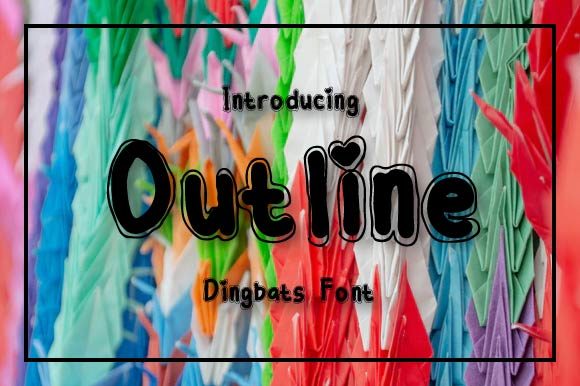
Outline is a display font that has carved out a unique niche in the world of typography. Its chunky, lettered style brings a sense of boldness and clarity to any text it touches. Originally designed for digital interfaces and print media alike, Outline has found its way into everything from branding to web design.
Its quirky appearance makes it stand out, but what truly sets it apart is its versatility. Unlike many fonts that are limited to specific uses, Outline can be applied across a wide range of contexts—from headlines on websites to signage in public spaces. This adaptability has made it a go-to choice for designers looking for something both eye-catching and functional.
Key Characteristics of Outline
At first glance, Outline may seem simple, but it's the details that make it effective. The font’s thick strokes and minimal serifs give it a clean, modern look while still retaining a touch of playfulness. These features contribute to its readability, even at smaller sizes.
One of the most notable aspects of Outline is its ability to convey emphasis without being overwhelming. Because of its chunky structure, it naturally draws attention, making it ideal for titles, banners, or call-out sections. However, this doesn’t mean it’s only suited for large text—when used appropriately, it can work well in body copy too.
Another characteristic that makes Outline special is its legibility. In a world where fonts can sometimes become too stylized and hard to read, Outline strikes a balance between aesthetics and usability. It’s not just about looking good—it’s about communicating effectively.
Advantages of Using Outline
There are several reasons why designers and content creators choose Outline. One of the primary benefits is its visual impact. Whether you're designing a poster, a website, or a mobile app, Outline adds a sense of energy and personality to your project.
Additionally, Outline is highly compatible with different platforms and mediums. It works seamlessly on both digital and print formats, which means you don't have to worry about how it will look across various devices or materials. This cross-platform compatibility is a major plus for anyone working on multi-channel projects.
Another advantage is its ease of use. Outline is available in a variety of weights and styles, allowing for creative flexibility. You can use it for headings, subheadings, or even as a background element in certain designs. This versatility ensures that it can fit into almost any design workflow.
Use Cases for Outline
Outline is not limited to a single application. It can be used in a variety of ways depending on the context. For example, in branding, Outline can help create a strong visual identity that’s instantly recognizable. Companies often use it in logos, packaging, or promotional materials to convey a sense of confidence and approachability.
In web design, Outline is frequently used for headings and navigation menus. Its bold nature helps guide users through a site by making important elements stand out. When paired with more subdued fonts for body text, it creates a balanced and visually appealing layout.
For educators and researchers, Outline can be an excellent tool for creating engaging presentations or reports. Its clear structure and readability make it suitable for highlighting key points or emphasizing important data. It also adds a professional yet friendly tone to academic materials.
Hobbyists and creators who work on personal projects can benefit from Outline as well. Whether they’re designing t-shirts, posters, or digital art, Outline provides a fun and dynamic option that stands out from more traditional fonts.
Considerations When Using Outline
While Outline offers many advantages, there are some considerations to keep in mind when using it. First and foremost, it’s important to ensure that the font is appropriate for the intended audience. While its quirky and playful nature may be perfect for a creative brand, it might not be the best choice for a formal or corporate setting.
Another consideration is the size and spacing of the text. Because Outline is a chunky font, it can appear cluttered if not given enough space. Designers should pay attention to line height and letter spacing to maintain readability and avoid overcrowding the page.
Lastly, it’s essential to consider the overall color scheme and contrast. Outline works best when paired with high-contrast colors. If the background is too similar in tone to the font, it can become difficult to read. Choosing the right color combinations will help ensure that the text remains clear and legible.
Examples of Outline in Action
To better understand how Outline can be used in real-world scenarios, let’s look at a few examples. A popular online store might use Outline for their product titles to make them stand out against a white background. The boldness of the font helps draw the customer’s attention to the products, increasing the chances of engagement.
A local café could incorporate Outline into their branding, using it for their logo and menu items. The font’s friendly and approachable feel aligns well with the atmosphere of a casual dining experience. It adds a touch of personality without being too over-the-top.
In educational settings, a university might use Outline for course titles or event announcements. The font’s clarity and readability make it an excellent choice for students who need to quickly scan through information. It also helps create a sense of organization and professionalism.
Conclusion
Outline is more than just a font—it’s a versatile design tool that can enhance the visual appeal and functionality of any project. Whether you're a professional designer, a hobbyist, or someone looking to improve the presentation of your work, Outline offers a unique combination of style and practicality.
By understanding its characteristics, advantages, and use cases, you can make informed decisions about when and how to use it. With careful consideration and thoughtful application, Outline can elevate your designs and leave a lasting impression on your audience.