Gadys: A Futuristic and Minimalist Display Font for Modern Design
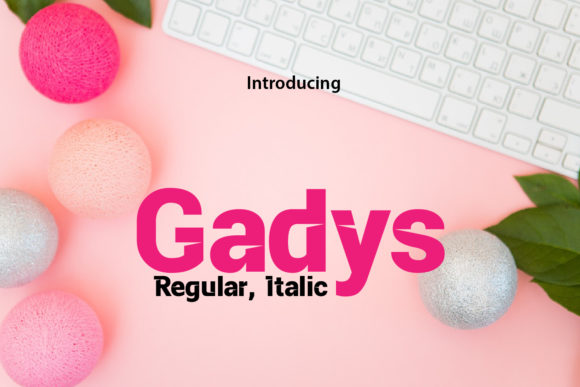
Gadys is a display font that stands out with its clean lines, futuristic aesthetic, and minimalist approach. Designed for clarity and impact, it's perfect for headlines, logos, and any design where visual hierarchy matters. Whether you're a designer, marketer, or content creator, understanding how to use Gadys effectively can elevate your projects and make your message more engaging.
Why Choose Gadys?
Gadys combines simplicity with a touch of innovation. Its geometric shapes and balanced proportions give it a modern feel without being overly complex. This makes it ideal for a wide range of applications—from digital banners to print materials. The font’s readability at various sizes ensures that it remains legible even when used in large formats or on screens with lower resolutions.
Designers love Gadys because of its versatility. It pairs well with both serif and sans-serif fonts, making it easy to create cohesive typographic compositions. Marketers appreciate its ability to convey professionalism and forward-thinking values, which can be especially useful for tech startups or creative agencies looking to establish a strong brand identity.
Common Mistakes When Using Gadys
While Gadys is a powerful tool, there are common pitfalls that can undermine its effectiveness. One mistake is using it for body text instead of headlines. Because it’s a display font, it lacks the subtlety and spacing needed for long paragraphs. This can lead to eye strain and reduced readability, especially on mobile devices.
Another issue is overusing it across multiple design elements. For example, applying Gadys to every headline, button, and icon on a website can create visual clutter and dilute its impact. Instead, reserve it for key areas where you want to draw attention—such as titles, call-to-action buttons, or promotional banners.
Some users also overlook the importance of font pairing. While Gadys works well with many fonts, choosing the wrong complementary typeface can clash with its style. Always test combinations in different contexts to ensure they enhance rather than compete with each other.
How to Avoid These Mistakes
To get the most out of Gadys, start by defining its role in your design. Ask yourself: Is this font meant to grab attention, convey a sense of innovation, or simply provide a clean look? Once you’ve identified its purpose, use it strategically to support your overall design goals.
When selecting a complementary font, consider the tone and context of your project. If you're designing for a high-tech company, pair Gadys with a sleek sans-serif font. For something more artistic, try combining it with a script or decorative typeface that adds character without overwhelming the design.
Also, always test your designs across different platforms and screen sizes. What looks great on a desktop might not translate well to a mobile device. Use tools like browser extensions or online simulators to preview how your typography will appear in real-world conditions.
What to Check Before Using Gadys
Before incorporating Gadys into your project, take time to review its features and limitations. Start by checking the licensing terms—some fonts require attribution or have restrictions on commercial use. Make sure you understand what you’re allowed to do with the font before downloading or purchasing it.
Next, evaluate the font’s availability across different platforms. Ensure that it supports all the characters and languages you need for your project. Some fonts may lack certain glyphs or accents, which can cause issues if you're working with multilingual content.
Finally, look for user reviews and case studies. Seeing how others have used Gadys in real-world scenarios can help you avoid common mistakes and discover new ways to apply it creatively. Online communities and design forums are excellent resources for gathering insights and tips from experienced designers.
Real-World Examples of Effective Gadys Usage
A popular use of Gadys is in website headers. For instance, a tech blog might use it for article titles to emphasize innovation and clarity. Pairing it with a lighter sans-serif font for subheadings and body text creates a visually appealing contrast while maintaining readability.
In branding, Gadys can be used for logos that need to communicate a modern, professional image. A startup focused on sustainability might use it alongside nature-inspired illustrations to reinforce their eco-friendly mission.
For marketing materials, such as social media posts or email newsletters, Gadys works well for call-to-action buttons and promotional headlines. Its bold yet clean appearance draws the eye and encourages engagement without appearing too aggressive.
Final Thoughts on Using Gadys
Gadys is a valuable addition to any designer’s toolkit, but like any font, it requires thoughtful application. By understanding its strengths and limitations, you can use it to enhance your designs rather than detract from them. Whether you're creating a logo, designing a website, or preparing marketing materials, taking the time to use Gadys correctly can make a significant difference in the final outcome.
Remember, the goal of typography is to support your message, not overshadow it. With careful planning and attention to detail, you can leverage the unique qualities of Gadys to create designs that are both visually striking and functionally effective.