Little Kimberly: A Playful Font for Modern Design Projects
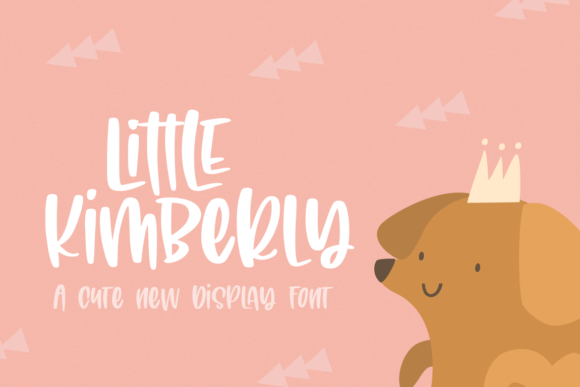
Little Kimberly is a casual display font that has gained attention for its friendly and approachable style. Designed with versatility in mind, it offers a unique blend of charm and functionality that makes it suitable for a wide range of design applications. Whether you're creating branding materials, digital content, or print media, this font brings a sense of warmth and personality to any project.
What Makes Little Kimberly Unique?
The name Little Kimberly suggests a light-hearted and whimsical character, which is reflected in the font's design. Each letter is crafted with subtle curves and soft edges, giving it a gentle appearance that feels inviting rather than overwhelming. This characteristic makes it particularly well-suited for projects that require a touch of playfulness without sacrificing readability.
One of the standout features of Little Kimberly is its balance between legibility and aesthetic appeal. Unlike some display fonts that can be difficult to read at smaller sizes, Little Kimberly maintains clarity even when scaled down. This makes it a practical choice for both large headlines and body text in certain contexts.
Additionally, the font includes a variety of weights and styles, allowing designers to tailor their use of the typeface to match the tone and purpose of their work. From bold statements to more delicate nuances, Little Kimberly provides flexibility that supports creative expression across different mediums.
How Does Little Kimberly Compare to Other Fonts?
When considering alternatives to Little Kimberly, it's important to evaluate how each font aligns with specific design goals. For instance, if you're looking for something more formal or professional, fonts like Helvetica or Arial might be better suited for corporate communications. However, these fonts lack the personality and charm that Little Kimberly brings to the table.
On the other hand, if you're seeking a more decorative option, you might explore scripts or cursive fonts such as Great Vibes or Cinzel Decorative. While these can add flair to a design, they often sacrifice readability, especially in longer texts. In contrast, Little Kimberly strikes a balance by maintaining a clear structure while still feeling visually engaging.
Another consideration is the availability of different formats and licensing options. Many fonts come with restrictions on commercial use or require additional purchases for web embedding. Little Kimberly, however, typically offers flexible licensing that accommodates various usage scenarios, making it easier for designers to integrate it into their workflow without unnecessary limitations.
Strengths and Tradeoffs
The primary strength of Little Kimberly lies in its ability to convey a friendly and approachable vibe. This makes it ideal for projects targeting younger audiences, educational materials, or brands that emphasize community and connection. Its clean lines and consistent spacing also contribute to a polished look that enhances visual appeal without complicating the message.
However, there are tradeoffs to consider. Because of its playful nature, Little Kimberly may not be the best fit for highly technical or formal documents where a more traditional typeface would be more appropriate. Additionally, while it performs well in most scenarios, users should test it in different environments to ensure it meets their specific needs before committing to it for a major project.
Best-Fit Situations for Little Kimberly
Little Kimberly shines in situations where a lighthearted yet professional tone is desired. It works exceptionally well for:
- Branding and Logos: The font's friendly appearance can help create a welcoming brand identity that resonates with customers.
- Marketing Materials: From social media posts to flyers, Little Kimberly adds a touch of personality that can make promotional content stand out.
- Children's Products: Its playful style is particularly effective for designing materials aimed at children, such as books, toys, or educational resources.
- Event Invitations: Whether it's a birthday party or a wedding, Little Kimberly can enhance the visual appeal of invitations while keeping them easy to read.
These examples illustrate how versatile Little Kimberly can be across multiple industries and purposes. However, it's always wise to pair it with other fonts or use it sparingly to maintain visual harmony within a design.
When to Consider Alternatives
While Little Kimberly offers many benefits, there are instances where another font might be more suitable. If your project requires high levels of formality or professionalism, opting for a sans-serif or serif font could be more appropriate. Similarly, if you're working on a document that will be viewed primarily on mobile devices, ensuring that the chosen font remains readable at smaller sizes becomes crucial.
In cases where you need greater customization options or access to extensive language support, exploring other typefaces from reputable foundries might provide additional advantages. Ultimately, the decision should be based on the specific requirements of your project and the overall message you wish to communicate through typography.
By carefully evaluating these factors, you can determine whether Little Kimberly is the right choice for your next design endeavor or if an alternative font would better serve your needs. With its distinctive character and adaptability, Little Kimberly continues to be a popular choice among designers who value both aesthetics and functionality in their work.